Connecting Product Identity and Payments to Combat Return Fraud

Singulayer
Insights & News

Returns create a fundamental identity challenge: is the product coming back the same individual product that was originally sold? Singulayer connects N=1 product identity to payments and the operational events surrounding a transaction, creating a traceable record from purchase through fulfillment, authentication, return, and refund. That context gives businesses a stronger foundation for identifying substitution, counterfeit returns, repeat abuse, and other forms of return fraud.
Return Fraud Is Often an Identity Problem
Most commerce systems were designed to determine whether a product belongs to an order—not necessarily whether the physical item being returned is the exact individual unit that left the business.
That distinction creates an opportunity for fraud.
A customer may return a different unit of the same product, substitute a counterfeit, send back an older or damaged item, manipulate a serial number, or initiate a refund while retaining the original merchandise.
At an aggregate level, the records may appear valid: the SKU matches, the customer made the purchase, and a return was initiated.
But the fundamental question remains unanswered:
Is this actually the same product?
Singulayer connects individual product identity to the transaction and the events surrounding it, allowing businesses to evaluate returns against the history of the exact asset originally sold.
1. Connect the Payment to the Exact Product
A payment tells a business that a transaction occurred. An order identifies what was purchased. Singulayer adds another layer: which individual product was involved.
Instead of associating a transaction only with a SKU or product category, an individual asset can maintain its own identity-linked record.
That identity can remain connected to the original order, payment, customer transaction, inventory record, and subsequent operational events.
When a return occurs, the business can compare the item entering the return workflow against the identity and history of the item that originally left it.
2. Preserve the Product's History After Purchase
Return decisions become more informed when businesses can see what happened between purchase and return.
Singulayer can connect fulfillment, delivery, authentication, ownership, return initiation, inspection, refund, and other events to the same individual product.
Each new event expands the product's provenance rather than creating another isolated record.
This creates a lifecycle that can answer not only whether a return was requested, but which asset was involved, what happened to it previously, and whether its current activity is consistent with its recorded history.
3. Detect More Than Traditional Payment Fraud
Payment fraud and return fraud are related, but they are not the same problem.
A transaction can be completely legitimate at checkout and become fraudulent later.
Substitution fraud, counterfeit returns, empty-box claims, duplicate returns, wardrobing, refund abuse, and other post-purchase behaviors can require signals that traditional payment-risk models were never designed to capture.
Connecting payment information with individual product identity and downstream operational events gives risk systems additional context for evaluating what actually occurred.
The result is a more complete view of risk across the entire transaction lifecycle, rather than only the moment money changes hands.
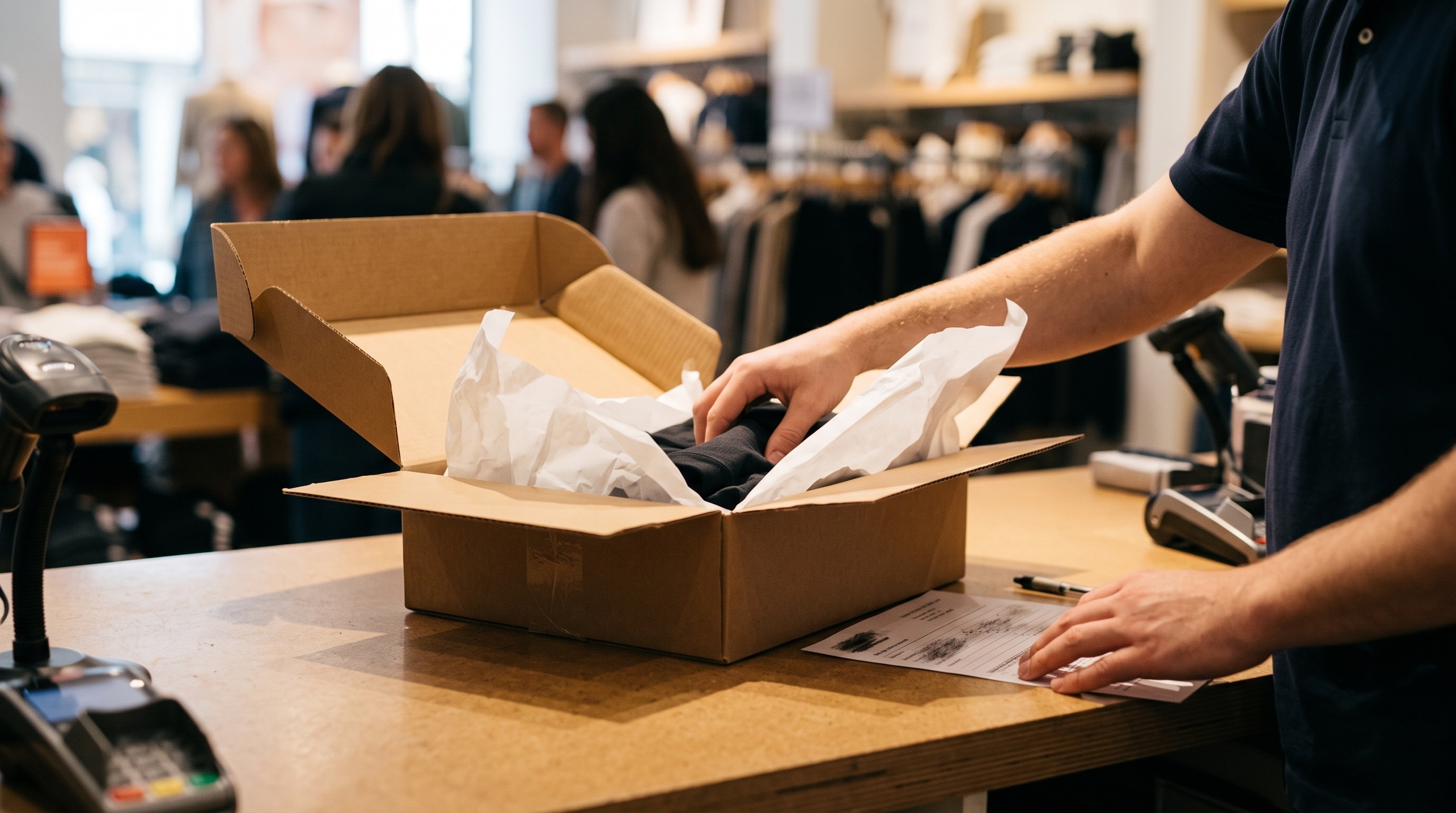
“The question isn't only whether the customer bought the product. It's whether the product coming back is the exact one that was sold.
From Return Policies to Contextual Risk
Most businesses cannot eliminate returns—and shouldn't try to. Returns are an important part of modern commerce and customer experience.
The opportunity is to make return decisions with better information.
When identity, payment, fulfillment, authentication, and historical activity are connected, businesses can distinguish legitimate returns from suspicious exceptions with greater context.
That information can support automated workflows, risk scoring, manual review, authentication, refund decisions, and post-transaction analytics while allowing each business to determine how those signals are ultimately used.
Rather than treating every return as an isolated event, businesses can evaluate it within the complete history of the transaction and product.
Follow the Product, Not Just the Transaction
Commerce risk increasingly extends beyond checkout.
Products continue moving after payment: through fulfillment, delivery, use, returns, resale, authentication, and sometimes multiple owners. Each stage generates information that can help explain what happened to the asset.
Singulayer preserves those events around the identity of the individual product and connects them back to the transaction that originated its journey.
The same infrastructure can support return-fraud detection, authentication, payments intelligence, disputes, inventory, fulfillment, resale, risk, and product traceability.
When businesses can follow the exact product throughout the transaction lifecycle, return fraud becomes less of a guessing problem and more of an identity and provenance problem that can be measured.